AB Karl Hedin Bio Innovation has joined the Digital Cellulose Center (DCC) as an industrial partner. The collaboration creates new opportunities to explore how tailored lignin and other wood-derived materials can contribute to the development of sustainable electronics and energy-storage technologies.
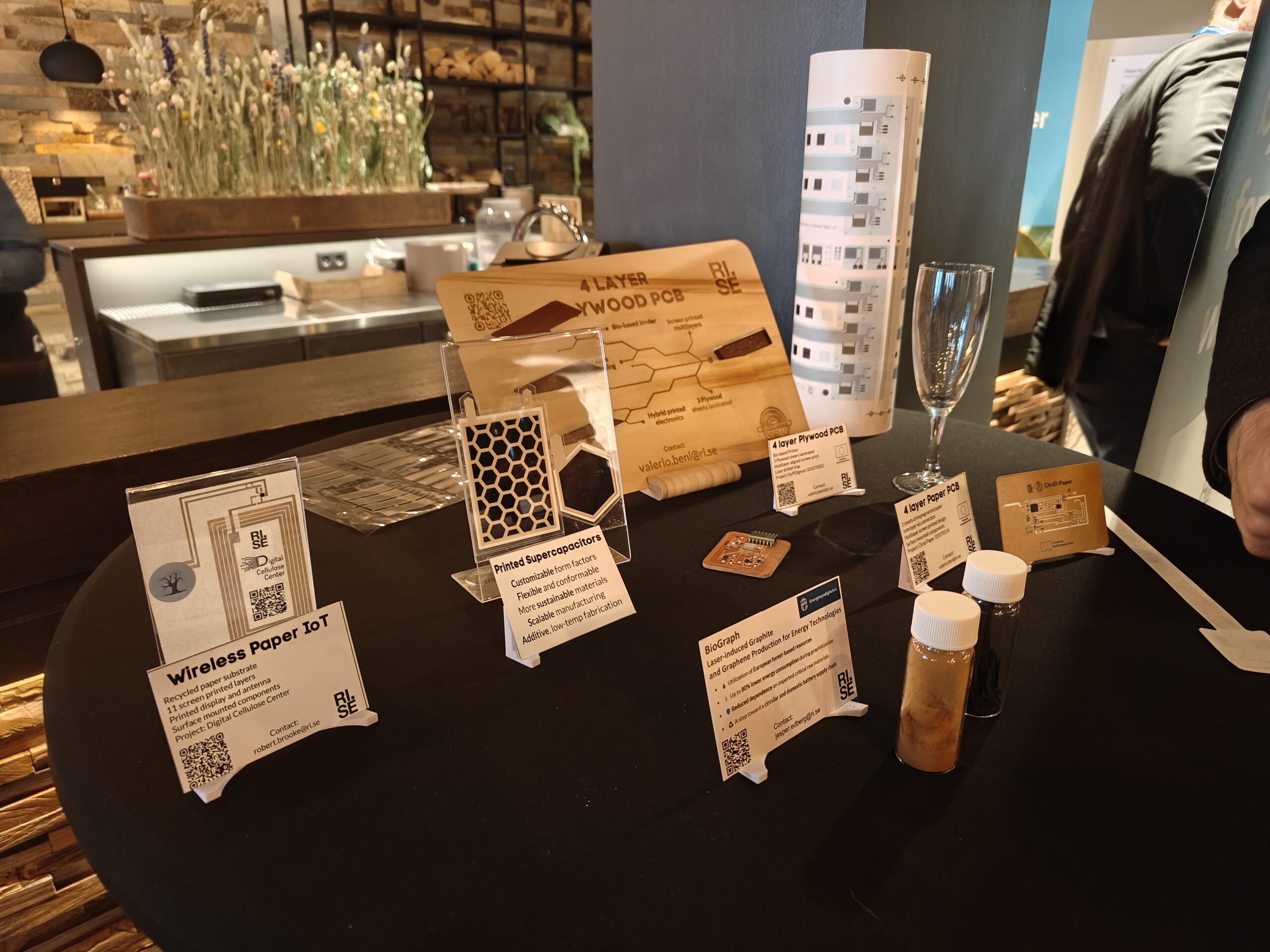
The Digital Cellulose Center is a Vinnova competence center coordinated by RISE, with Linköping University and KTH as academic partners together with companies across the forest, materials, electronics and energy-storage sectors. DCC develops sustainable and circular electronics based on forest-derived materials, with research spanning electroactive materials, energy storage, sensors and the electrification of pulp and wood components.
For AB Karl Hedin Bio Innovation, there is a particularly strong connection between DCC's research and our work on tailor-made lignins for electrical and energy-storage applications. Our biomass fractionation technology makes it possible to modify lignin already during extraction from wood, allowing its chemical and material properties to be adapted for different applications. Our current energy-storage activities include both carbon-based materials and redox-active lignins.
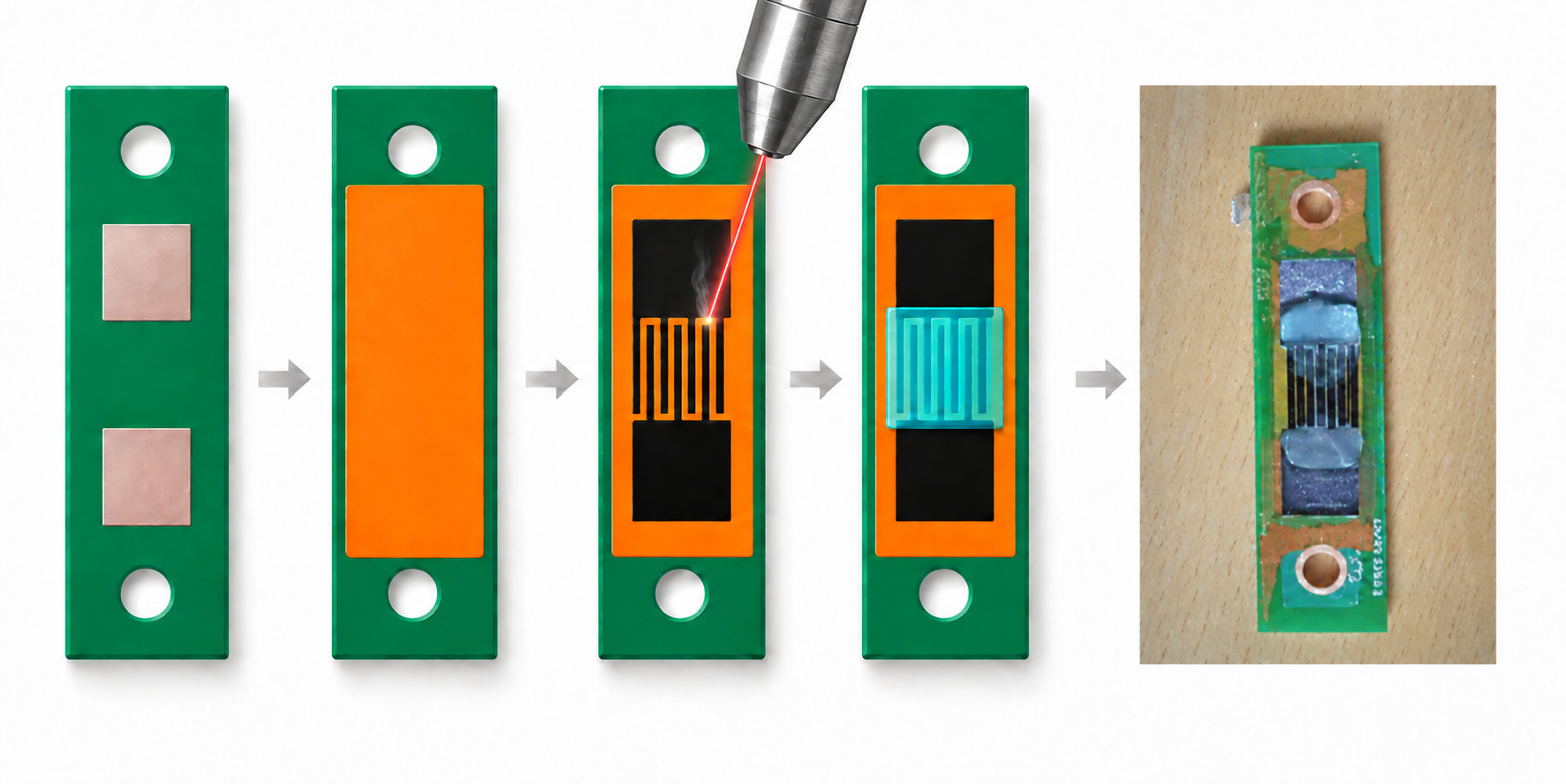
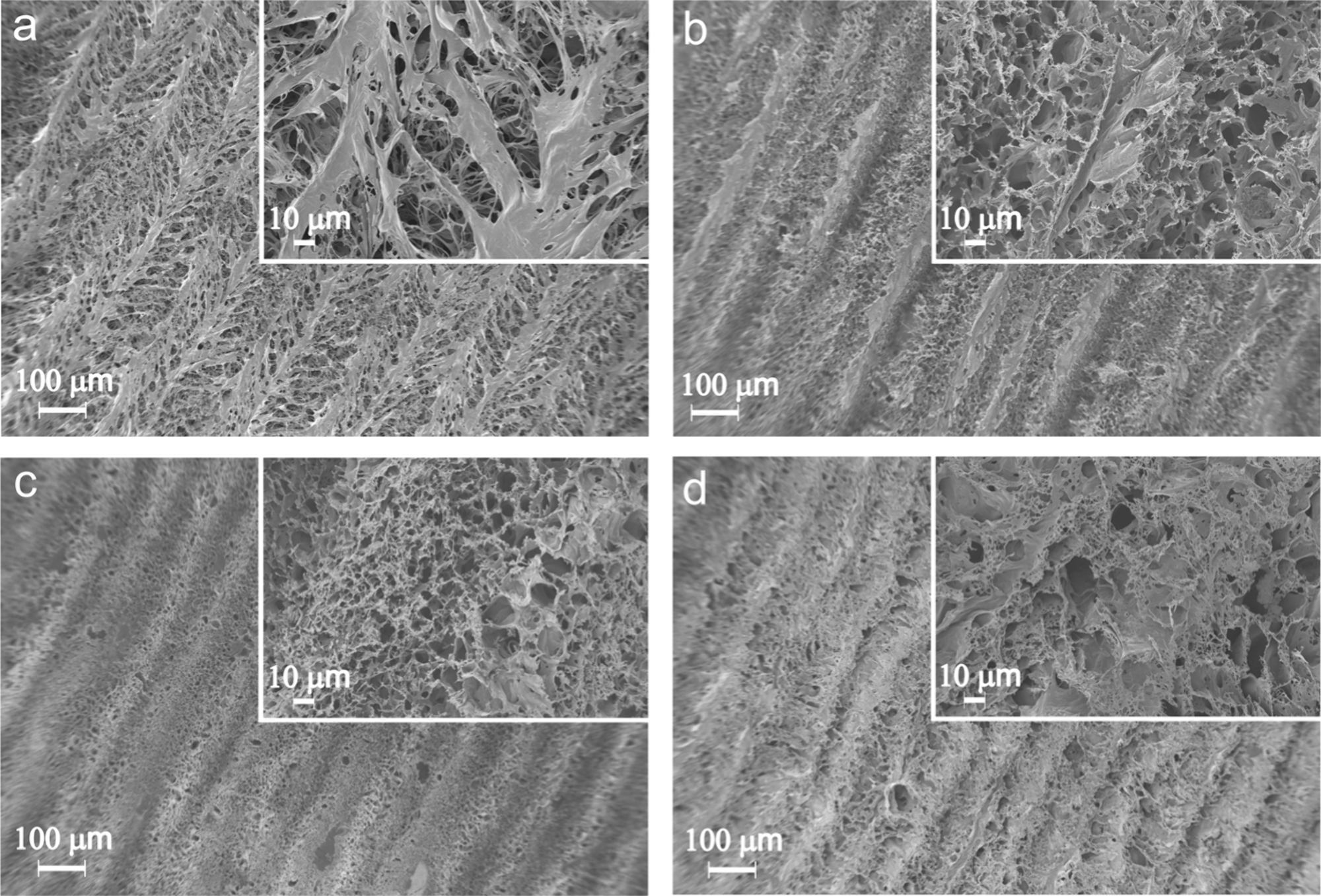
One area with clear overlap is laser-induced carbonization. In recently published work, phenolated lignin produced using our technology was converted directly into highly conductive, few-layer graphene-like carbon using laser irradiation. The resulting material reached a sheet resistance of 6.7 Ω sq⁻¹ and was demonstrated in a working micro-supercapacitor. The study highlights the potential of tailored lignin as a renewable precursor for conductive carbon materials and energy-storage electrodes.
DCC is also exploring laser conversion of forest-derived materials into conductive carbon and graphene-like structures, making this an especially interesting area for future collaboration. Beyond carbon materials, we also see opportunities to investigate redox-active lignins, where tailored chemical functionalities can participate directly in charge-storage processes and potentially contribute to the development of more sustainable organic battery materials.
Joining DCC provides an excellent environment for connecting our expertise in biomass fractionation and lignin chemistry with leading research in printed electronics, electroactive materials and energy storage. It also offers opportunities to move promising material concepts toward demonstrators and application-relevant testing together with academic and industrial partners.
We look forward to contributing to the Digital Cellulose Center and exploring how lignin and other forest-derived materials can become active components in the next generation of sustainable electronics and energy-storage technologies.
The Digital Cellulose Centre (DCC)