We’re excited to share our study in ACS Sustainable Chemistry & Engineering, showing how lignin from wood can be transformed into highly conductive, graphene-like carbon and used in a working micro-supercapacitor - a small device that stores and releases electrical energy.
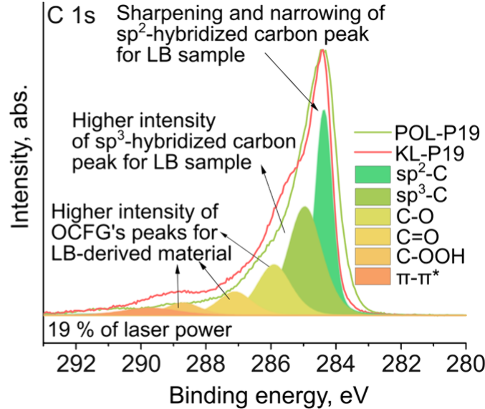
Our approach starts with wood. In a single step, we extract lignin - one of wood’s main building blocks - and tailor its chemical structure to make it better suited for its intended application. In this study, the modification improves the lignin's thermal stability and helps it convert into graphene-like material that is conductive.
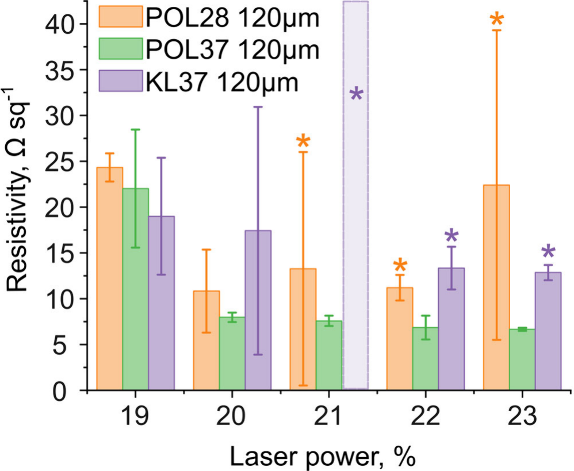
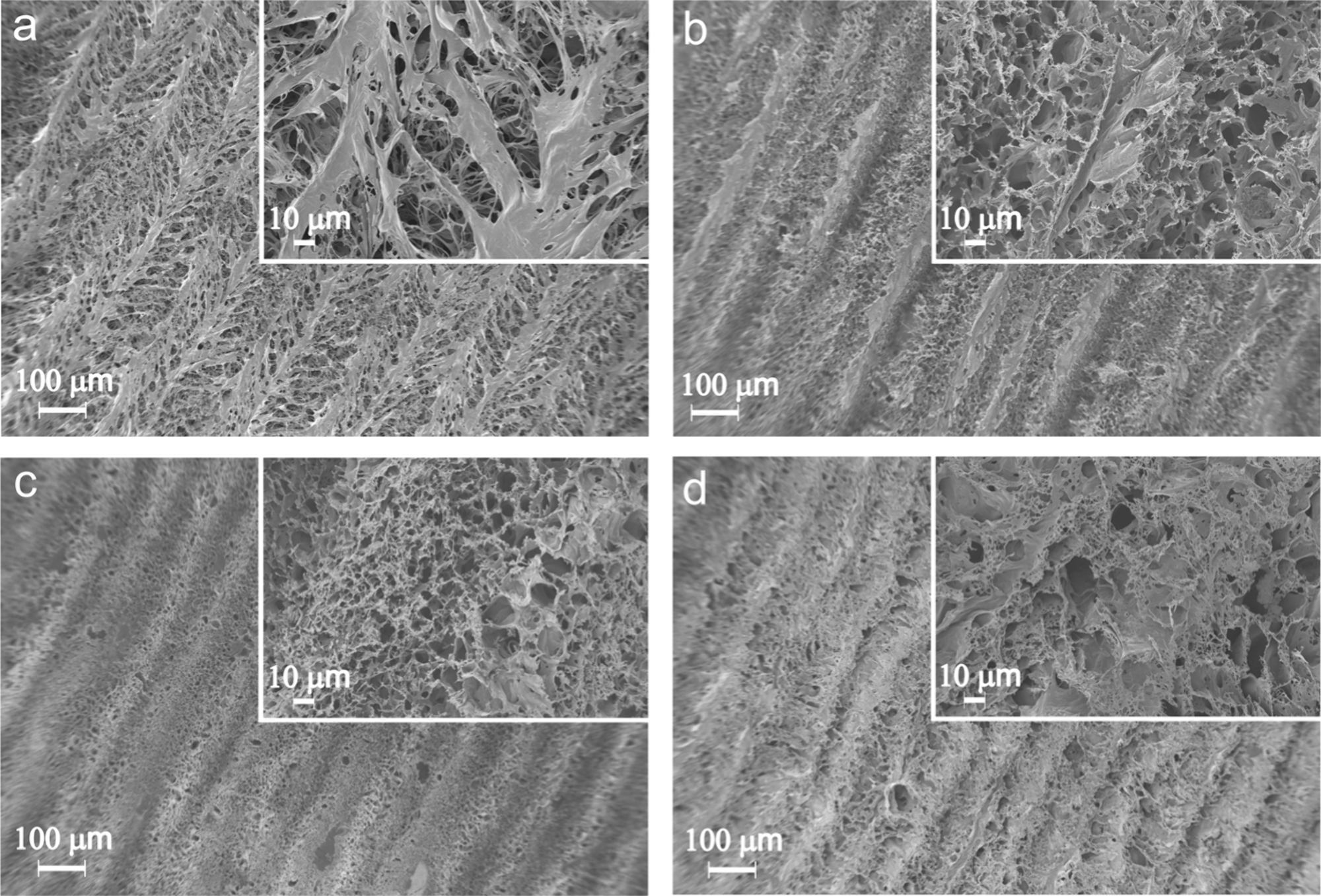
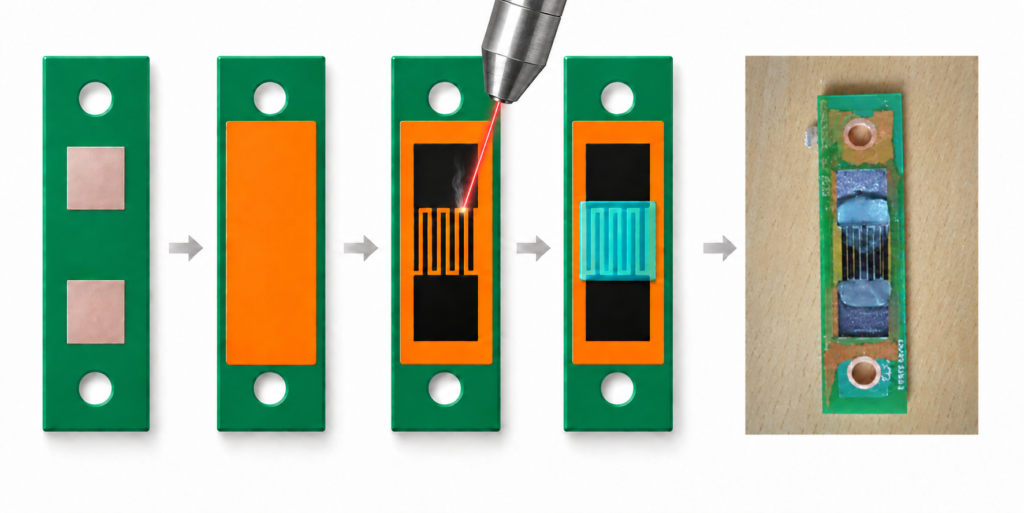
The lignin is then applied as a coating and treated with a laser. The laser’s concentrated heat transforms the coating into carbon while creating the fine electrode pattern directly on its surface. During this process, the carbon atoms rearrange into thin, ordered layers resembling those found in graphite. This structure allows electrons to move readily through the material, making it electrically conductive. By optimising the coating formulation and laser settings, we produced material that was successfully used in a micro-supercapacitor.
For AB Karl Hedin Bio Innovation, this work illustrates how tailoring lignin from the outset can unlock new uses for forest-based raw materials. It highlights a promising route from sawmill side streams to functional carbon materials for energy storage and electronics, with the potential to replace fossil-based alternatives.
Read the full article:
ACS Sustainable Chem. Eng. 2025, 13, 36, 14961–14970